

With the continuous development of door lock technology, choosing between mechanical and electronic locks has become a crucial issue for many users in home, commercial, and industrial settings.
Mechanical door locks, as representatives of traditional locks, have long been known for their stability and reliability; while electronic locks are valued for their intelligence and convenience.
So, are mechanical number door locks truly better than electronic locks? There is no absolute answer to this question; rather, it requires a systematic analysis from multiple dimensions, including structural principles, security, and usage scenarios.
This article will focus on the core keyword "mechanical door lock," exploring its differences from electronic locks from a professional perspective and helping users rationally determine which one best suits their needs.
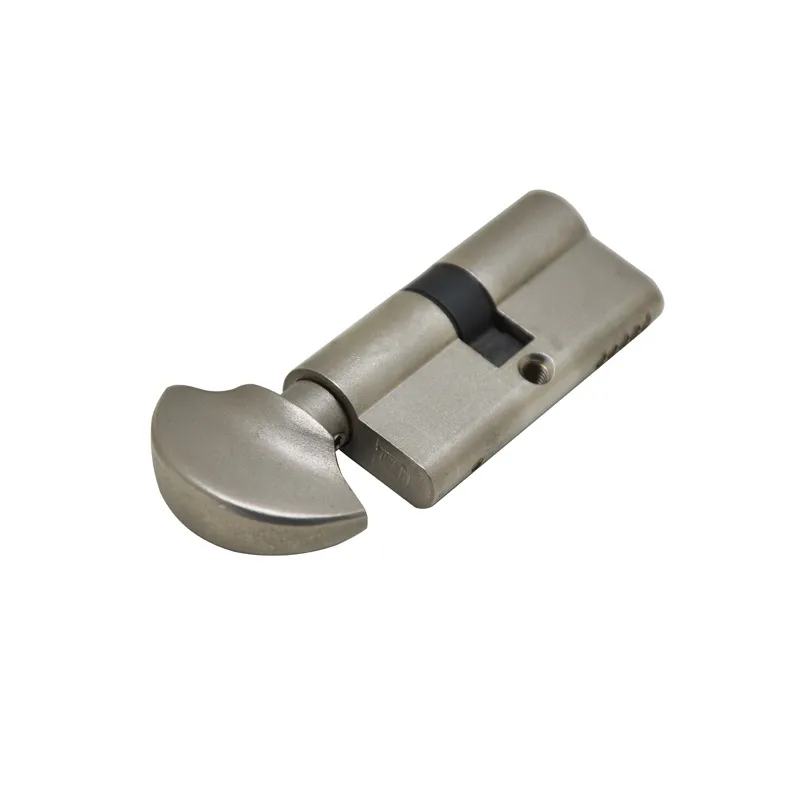
What are the essential differences between mechanical and electronic locks?
A mechanical door lock is a device that relies entirely on physical structure to lock and unlock. Its core lies in the mechanical interaction within the lock cylinder, such as a pin tumbler or leaf spring structure. The entire operation does not involve any electronic components.
Electronic locks, on the other hand, rely on a circuit system, using methods such as passwords, fingerprints, and IC cards for authentication, and a motor-driven bolt to complete the opening and closing action.
Essentially, the differences between the two are:
• Mechanical locks: Purely mechanical structure, physically controlled
• Electronic locks: Electronic system controlled, mechanically executed
This structural difference directly affects their performance in terms of stability, security, and usability.
Is a mechanical lock more stable?
Why do many people believe that mechanical locks are more stable?
Stability is one of the important indicators for measuring lock performance. In this respect, mechanical locks are generally considered to have an advantage.
The operation of a mechanical lock depends entirely on its mechanical structure and is not affected by batteries, circuits, or software systems.
Therefore, mechanical locks are more stable in the following situations:
• They can still function normally in environments without power.
• There are no system crashes or program malfunctions.
• They are highly adaptable to changes in environmental conditions such as temperature and humidity.
In contrast, electronic locks may be unstable in the following ways:
• Insufficient battery power may prevent opening.
• Circuit faults or system errors may affect usage.
• Extreme environments may affect the performance of electronic components.
Therefore, from the perspective of "whether or not functional interruptions occur easily," mechanical locks do indeed have higher stability.
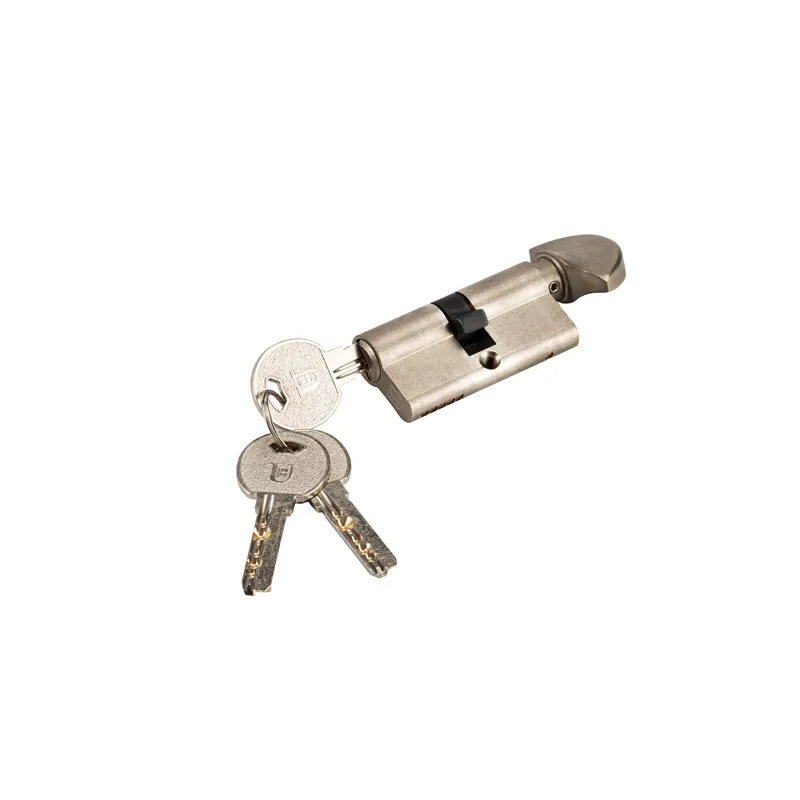
Are mechanical locks really better in terms of security?
Which is safer, mechanical or electronic locks?
Security is one of the most crucial factors for users when choosing between mechanical and electronic locks.
The security of mechanical locks mainly depends on the lock cylinder structure and manufacturing precision, such as the number and arrangement of pins, and its ability to resist technical picking. High-level mechanical locks can extend the time it takes to be cracked through complex structures.
The security of electronic locks is reflected in:
• Multiple authentication methods (password, fingerprint, etc.)
• Automatic alarm function
• Failure attempt restriction mechanism
However, their security logic differs:
• Mechanical locks: Prevent "physical cracking"
• Electronic locks: Prevent "identity forgery and system attacks"
Mechanical locks do not have issues such as hacking or system vulnerabilities, but may face the risk of key duplication; electronic locks avoid the problems of traditional keys, but may have electronic system security vulnerabilities.
Therefore, from an absolute perspective, mechanical locks are not necessarily more secure, but they have a natural advantage in "resisting electronic risks."
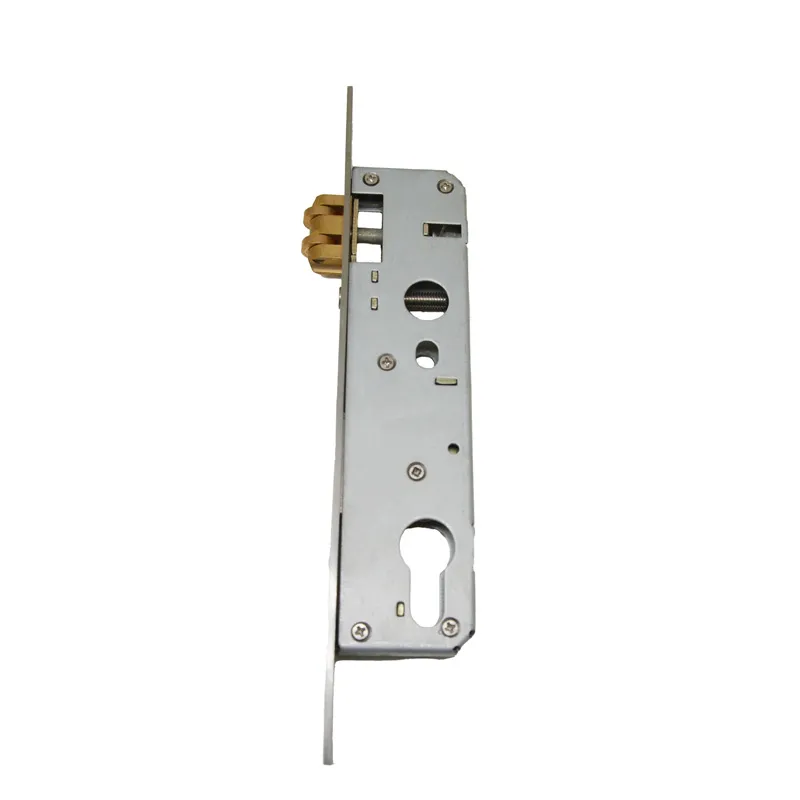
Are mechanical locks inferior in terms of ease of use?
Are mechanical locks less convenient than electronic locks?
In terms of user experience, electronic locks are generally superior, while mechanical locks emphasize stability and traditional operation methods.
Mechanical number door locks primarily rely on keys or handles for operation, and their advantages include:
• Simple and intuitive operation
• No need to learn complex functions
• No system setup issues
However, their limitations are:
• Must carry a key
• Lost keys can be inconvenient
In contrast, electronic locks can be quickly opened with a password or fingerprint, reducing the need to carry keys.
Therefore, from a convenience perspective, mechanical door locks are not superior, but their predictability and reliability remain important considerations for many users.
Are mechanical door locks cheaper to maintain?
Why are mechanical door locks easier to maintain?
Maintenance costs are a significant factor in long-term use. Mechanical door locks typically perform better in this regard.
Maintenance of mechanical number door locks primarily focuses on:
• Lock cylinder lubrication
• Replacement of worn components
• Simple structural adjustments
Its characteristics are:
• Mature repair techniques
• High component interchangeability
• No need to replace electronic components
Electronic lock maintenance, on the other hand, may involve:
• Battery replacement
• Circuit repair
• System reset
Therefore, from the perspective of maintenance complexity and cost, mechanical door locks are generally more economical and easier to manage.
What usage scenarios are suitable for mechanical door locks?
In which environments are mechanical door locks more advantageous?
Mechanical door locks are not superior to electronic locks in all scenarios, but they have significant advantages in specific environments:
1. Environments without power or with unstable power: Mechanical door locks do not require power, making them ideal for such environments.
2. High temperature, high humidity, or harsh environments: Mechanical structures are more adaptable to environmental conditions and have higher stability.
3. Locations with extremely high system reliability requirements: Mechanical number door locks avoid the risks associated with electronic system failures.
4. Cost-Sensitive Scenarios: Mechanical locks have lower procurement and maintenance costs, making them suitable for large-scale applications.
Do mechanical locks have any significant disadvantages?
What are the undeniable shortcomings of mechanical locks?
While mechanical locks offer many advantages, they also have some limitations:
• Limited functionality
• Inability to achieve remote control or recording functions
• Certain risks associated with key management
• Security highly dependent on the quality of the lock cylinder
These factors make mechanical locks less advantageous in certain scenarios with high functional requirements.
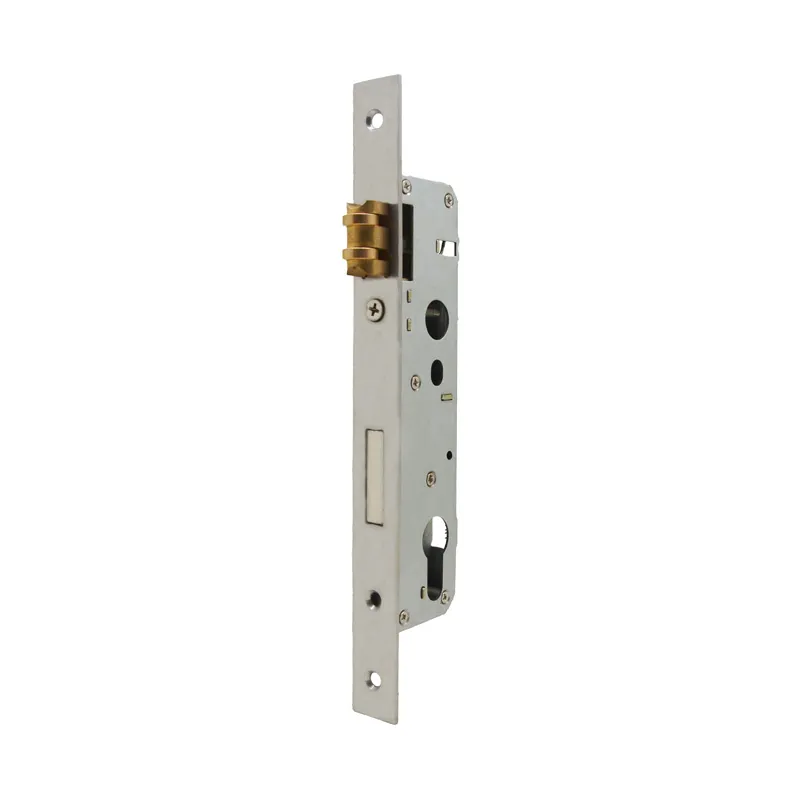
How to determine if a mechanical lock is more suitable for you?
What factors should be considered when choosing between a mechanical and electronic lock?
In actual selection, it's not simply a matter of whether a mechanical lock is "better," but rather a comprehensive evaluation based on the following factors:
1. Usage Environment
Is a stable power supply available? Is the environment complex?
2. Security Needs
Are you more focused on physical protection or intelligent management?
3. Usage Habits
Do you prefer using a key? Do you need convenient unlocking?
4. Budget Range
Are you cost-sensitive?
These dimensions allow for a more rational assessment of whether mechanical locks are more suitable for current needs.
Are mechanical locks better than electronic locks?
The answer is: mechanical locks are not absolutely better, but they have significant advantages in stability, reliability, and maintenance costs.
If your core needs are:
• Long-term stable operation
• Independence from the power system
• Simple and reliable security
then mechanical number door locks are a very suitable choice.
However, if you value more:
• Ease of operation
• Multifunctional management
• Intelligent experience
then electronic locks may be more suitable.
Therefore, mechanical locks and electronic locks are not a matter of "one replacing the other," but rather each plays its role according to different application scenarios.
