

In daily life and various building applications, door locks are essential for ensuring security and privacy. Among them, mechanical door locks, as the most traditional and basic type of lock, remain widely used in residential, office, and industrial facilities due to their stable structure, ease of use, and lack of power requirements.
So, what is a mechanical door lock system? How does it work? What types are there? And how should you choose and use it correctly? This article will provide a systematic and professional analysis.
What is a Mechanical Door Lock?
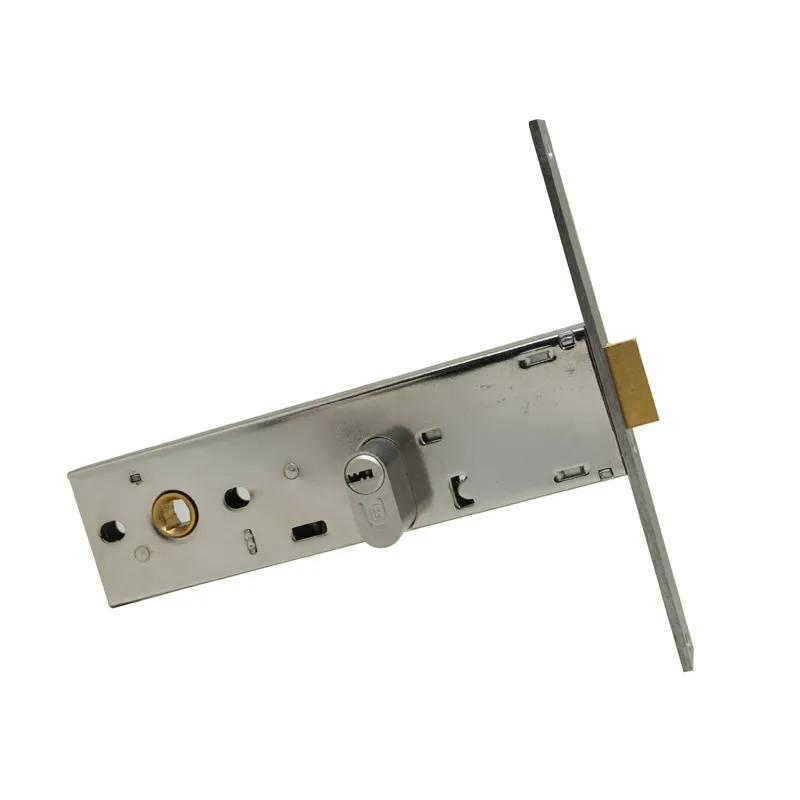
A mechanical door lock is a door lock device that relies entirely on a mechanical structure to achieve its opening and locking functions. Its operation does not depend on electricity, batteries, or electronic control systems. Users use physical operations such as keys, knobs, or handles to drive the mechanical structure inside the lock cylinder, thereby opening or closing the door.
Essentially, a mechanical door lock system is a device that achieves security control through physical structural matching and mechanical movement. Its core lies in the internal structural design of the lock cylinder, such as the combination and cooperation of components like pins, gears, and levers.
Compared to electronic or smart locks, mechanical door locks have the following basic characteristics:
• No power supply required, high stability
• Mature structure, reliable technology
• Relatively low cost
• Simple installation and maintenance
What are the basic structural components of a mechanical door lock?
To understand mechanical door locks in depth, it's essential to first understand their internal structure. A standard mechanical door lock typically consists of the following core parts:
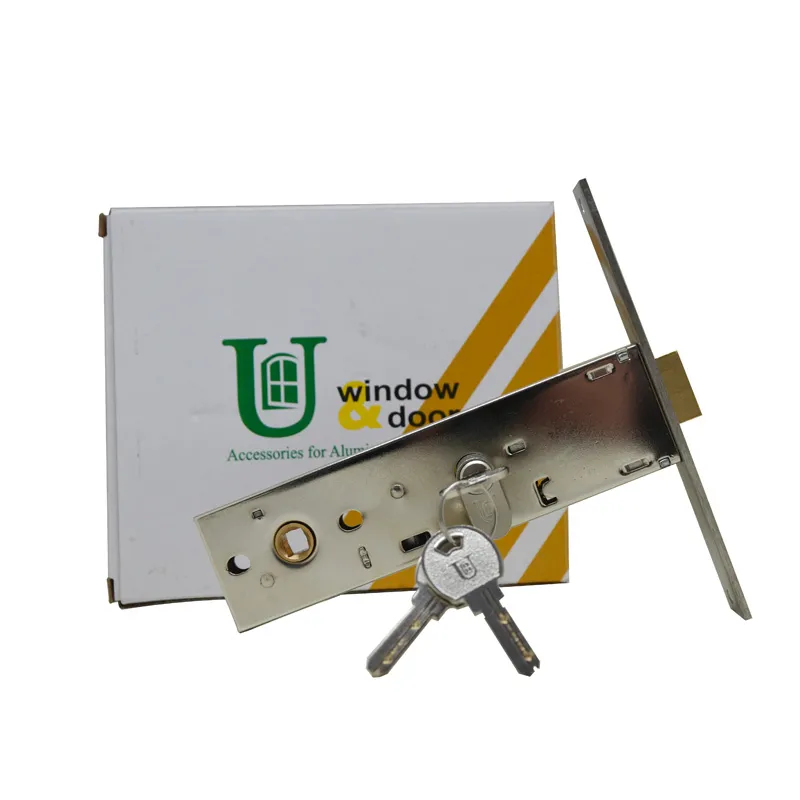
1. Cylinder
The cylinder is the core component of a mechanical door lock system, determining the lock's security level. Common cylinder types include single-row pin tumbler cylinders, double-row pin tumbler cylinders, and wafer cylinders.
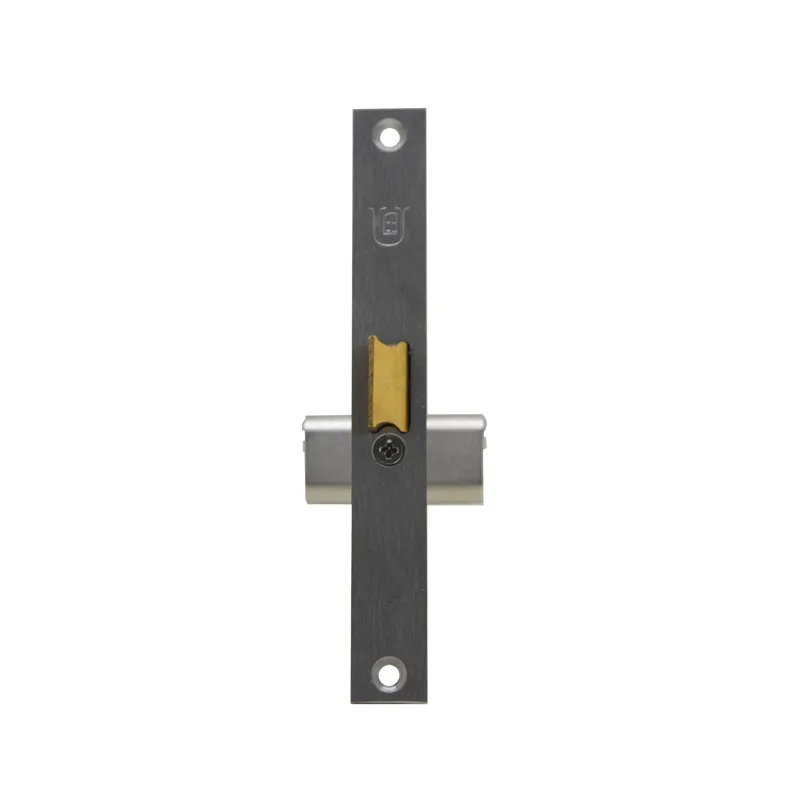
2. Latch & Bolt
The bolt is the key component controlling whether the door is locked or locked. It is typically divided into:
• Latch: Used for automatic door closing
• Deadbolt: Used to enhance anti-theft performance
3. Key
The key, with its specific toothed structure, matches the pins or wafers inside the cylinder, thus enabling the door to open.
4. Handle/Knob
Used for daily door opening and closing, it retracts the bolt via a mechanical linkage.
5. Lock Body
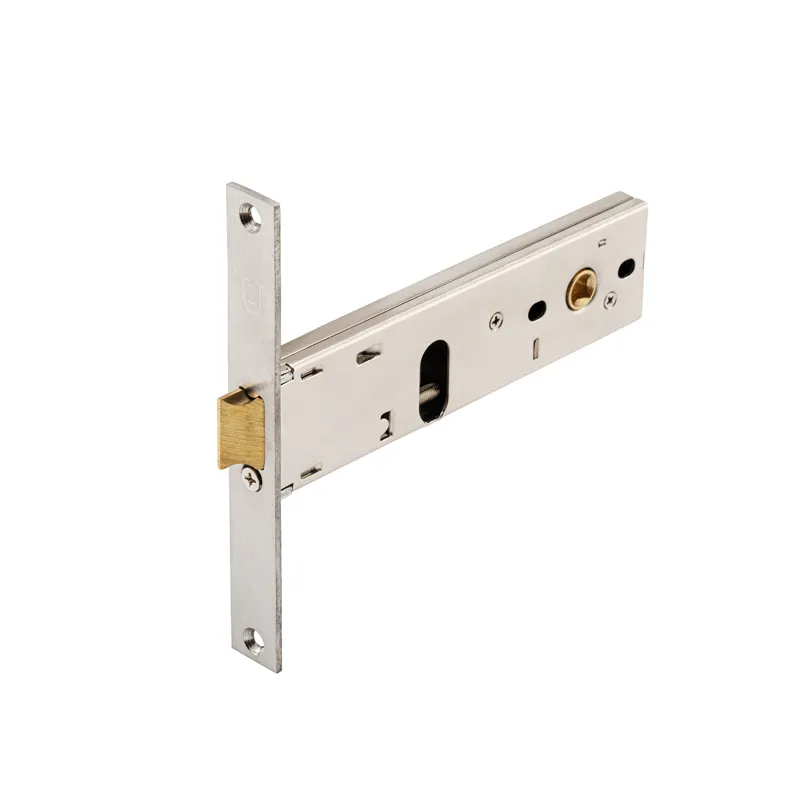
The lock body is the structural frame that supports all mechanical components and is usually installed inside the door.
What is the working principle of a mechanical door lock?
The working principle of a mechanical door lock can be summarized as follows: Mechanical unlocking is achieved through the precise matching of the key and the lock cylinder structure.
Taking the most common pin tumbler lock as an example, its working process is as follows:
1. The lock cylinder consists of multiple sets of pins, each set consisting of upper and lower parts.
2. When no key is inserted, the pins are misaligned, and the lock cylinder cannot rotate.
3. When the correct key is inserted, the key teeth push each set of pins to the same horizontal line.
4. At this point, a "shear line" is formed, allowing the lock cylinder to rotate freely.
5. Rotating the lock cylinder moves the bolt, unlocking the door.
This process relies entirely on the precise fit of the mechanical structure; therefore, mechanical number door locks require high manufacturing precision.
What are some common types of mechanical door locks?
Mechanical door locks can be categorized into several types based on their structure and purpose. Here are some common classifications:
What are the common classification methods for mechanical door locks?
1. Classification by structure?
• Pin Tumbler Lock: The most common type of mechanical door lock system, widely used.
• Wafer Lock: Relatively simple structure, mostly used for light doors.
• Magnetic Lock: Uses magnetic elements for positioning, improving resistance to technical picking.
2. Classification by purpose?
• Interior door locks: Simple structure, emphasizing convenience.
• Security door locks: High security level, usually equipped with multiple bolts.
• Lever handle locks: With handle structure, suitable for home and office environments.
• Knob locks: Commonly found on interior doors, easy to install.
3. Classification by installation method?
• Recessed mechanical number door locks: Installed inside the door, high aesthetic appeal.
• Surface-mounted locks: Installed on the door surface, easy to maintain.
How to assess the security of a mechanical door lock?
The security of mechanical door locks mainly depends on the following aspects:
How to determine the security level of a mechanical door lock?
1. Lock Cylinder Level
Lock cylinders are generally classified into Class A, Class B, and Class C. Different levels have different resistance times to technical picking.
2. Anti-pry Capability
High-quality mechanical number door locks have enhanced anti-pry designs in their lock body structure, such as thickened bolts and reinforced panels.
3. Anti-copying Capability
The more complex the key design, the more difficult it is to copy.
4. Material Strength
High-strength metal materials (such as stainless steel and brass) effectively improve the durability and resistance to damage of mechanical door locks.
What are the advantages and limitations of mechanical door locks?
Why are mechanical door locks still widely used?
Advantages of Mechanical Door Locks:
1. Stable and Reliable: Does not rely on electricity, avoiding electronic malfunctions.
2. Simple to Use: No complex operation training required.
3. Wide Applicability: Suitable for various environments.
4. Low Maintenance Costs: Simple structure, easy maintenance.
Limitations of Mechanical Door Locks:
1. Limited Functionality (Cannot be remotely controlled)
2. Keys may be lost or copied.
3. Security depends on the lock cylinder level.
How to Choose the Right Mechanical Door Lock?
When choosing a mechanical number door lock, you need to comprehensively consider the usage scenario, security requirements, and budget.
What Key Factors Should You Pay Attention to When Purchasing a Mechanical Door Lock?
1. Usage Environment
• Interior Doors: Simple mechanical door locks are suitable.
• Entrance Doors: High-security lock cylinders are recommended.
2. Security Level
Prioritize mechanical door locks with high-security lock cylinders (such as Class B or Class C).
3. Materials and Craftsmanship
High-quality mechanical door locks should have good corrosion resistance and wear resistance.
4. Brand and Quality
Choosing a mechanical number door lock from a reputable manufacturer helps ensure consistent quality.
What precautions should be taken when using a mechanical door lock?
Installation Points:
• Ensure the lock body matches the door size.
• Align the bolt with the door frame.
• Securely install to prevent loosening.
Daily Maintenance:
• Regularly lubricate the lock cylinder (using a dedicated lubricant).
• Avoid using incompatible keys.
• Prevent water or dust from entering the lock body.
Differences between Mechanical Door Locks and Other Door Locks
The main difference between mechanical door locks and electronic or smart door locks lies in the control method:
Types | Control methods | Do you need electricity? |
| Mechanical door locks | Purely mechanical structure | No |
Electronic door locks | Password/Card swipe | Yes |
| Smart door locks | Fingerprint/APP/Face recognition | Yes |
The advantage of mechanical number door locks lies in their independence and reliability; they can still be used normally even in the event of a power outage or system failure.
