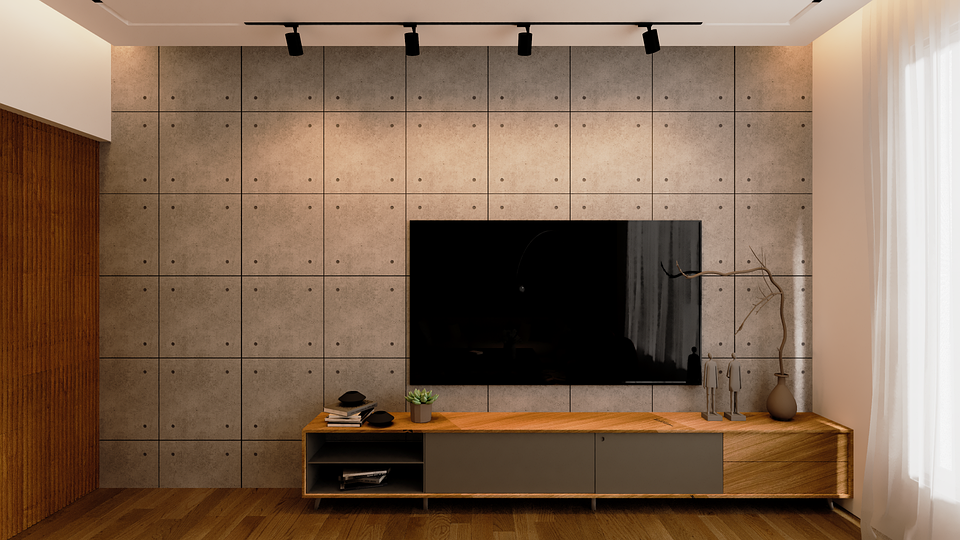

In contemporary architecture and interior design, the selection of panels plays a pivotal role in defining both aesthetics and functionality. Among the most widely used materials are aluminum composite panels, wall cladding panels, and various composite boards, each offering distinct characteristics suited to different applications. This article explores these materials in depth, examining their advantages, limitations, and ideal use cases to inform better design and construction decisions.
Aluminum composite panels (ACPs) have become a staple in modern building exteriors and sophisticated interior spaces. These panels consist of two thin aluminum sheets bonded to a non-aluminum core, typically made of polyethylene or mineral-filled material. This sandwich construction provides a unique combination of properties: the aluminum surfaces offer durability, weather resistance, and a sleek, contemporary appearance, while the core adds rigidity, insulation, and weight reduction. ACPs are exceptionally flat and can be fabricated into various shapes, making them ideal for curtain walls, signage, and interior features where a seamless, modern look is desired. Their lightweight nature simplifies installation compared to solid aluminum sheets, reducing structural support requirements. However, careful consideration must be given to fire safety, as the core material's flammability varies; fire-retardant (FR) cores are essential for many building applications. The finish options are virtually limitless, including metallic, matte, woodgrain, and custom colors, applied through PVDF or polyester coatings that ensure longevity against UV exposure and pollution.
Wall cladding panels encompass a broader category designed specifically for vertical surface protection and enhancement. These can be made from various materials, including aluminum composites, solid metals, wood, fiber cement, or high-pressure laminates. Their primary function extends beyond aesthetics to include weatherproofing, thermal insulation, and even acoustic improvement. In exterior applications, wall cladding systems create a ventilated rainscreen that manages moisture and improves building envelope performance. Interiors benefit from their ability to conceal imperfections, integrate lighting or services, and add textural interest. The choice of material depends on the environment: high-traffic commercial interiors may require the impact resistance of solid aluminum or HPL panels, while residential projects might favor the warmth of wood-based cladding. Installation systems—whether visible fastener, concealed clip, or interlocking—also influence the final appearance and performance.
Composite boards represent a versatile category where different materials are combined to achieve specific performance goals that single materials cannot provide. This includes materials like wood-plastic composites (WPC), glass-reinforced plastic (GRP) panels, and sandwich panels with insulated cores. WPCs, blending wood fibers with polymers, offer the look of wood with enhanced resistance to moisture, rot, and insects, making them perfect for decking, fencing, and exterior cladding in humid climates. GRP panels provide high strength-to-weight ratios and can be molded into complex shapes for architectural features. The common thread among all composites is engineered performance: they are designed to overcome inherent weaknesses of their individual components. For instance, a honeycomb-core aluminum panel achieves remarkable stiffness with minimal weight, ideal for transportation or modular construction. The trade-off often involves higher cost and specialized fabrication requirements.
The application context ultimately guides material selection. For high-rise building facades demanding durability, lightweight properties, and design flexibility, aluminum composite panels are frequently the optimal choice. Renovation projects often utilize wall cladding panels to transform outdated exteriors without structural changes, simultaneously improving energy efficiency. Interior spaces leverage both ACPs and specialized composite boards to create feature walls, durable retail environments, or hygienic surfaces for healthcare and laboratories. Sustainability considerations are increasingly important; many panels now incorporate recycled content, and their longevity and insulating properties contribute to reduced lifecycle energy consumption.
In practice, successful implementation hinges on understanding not just the panel material, but also the complete system: substrates, framing, fasteners, and joint details. Proper ventilation, drainage, and thermal expansion accommodation are critical for exterior applications to prevent moisture entrapment or material stress. For interiors, fire ratings, acoustic properties, and maintenance requirements take precedence.
As material technology advances, the boundaries between these panel types continue to blur. New hybrids emerge, such as aluminum panels with integrated photovoltaic cells or cladding with active air-purifying coatings. This evolution promises even greater integration of performance, sustainability, and aesthetic expression in the built environment. By thoughtfully selecting and detailing architectural panels, designers and builders can create structures that are not only visually compelling but also high-performing, durable, and responsive to their specific environmental and functional demands.