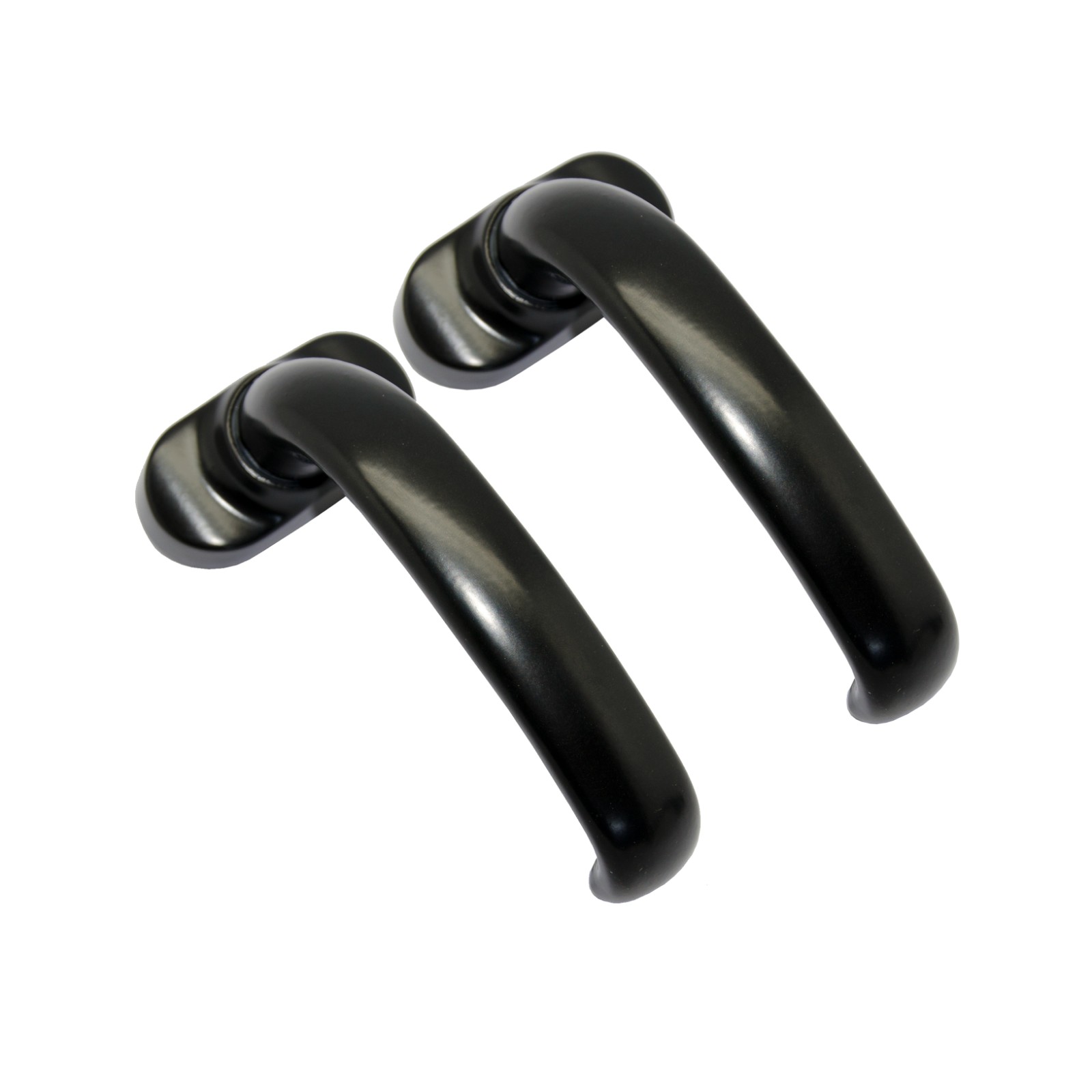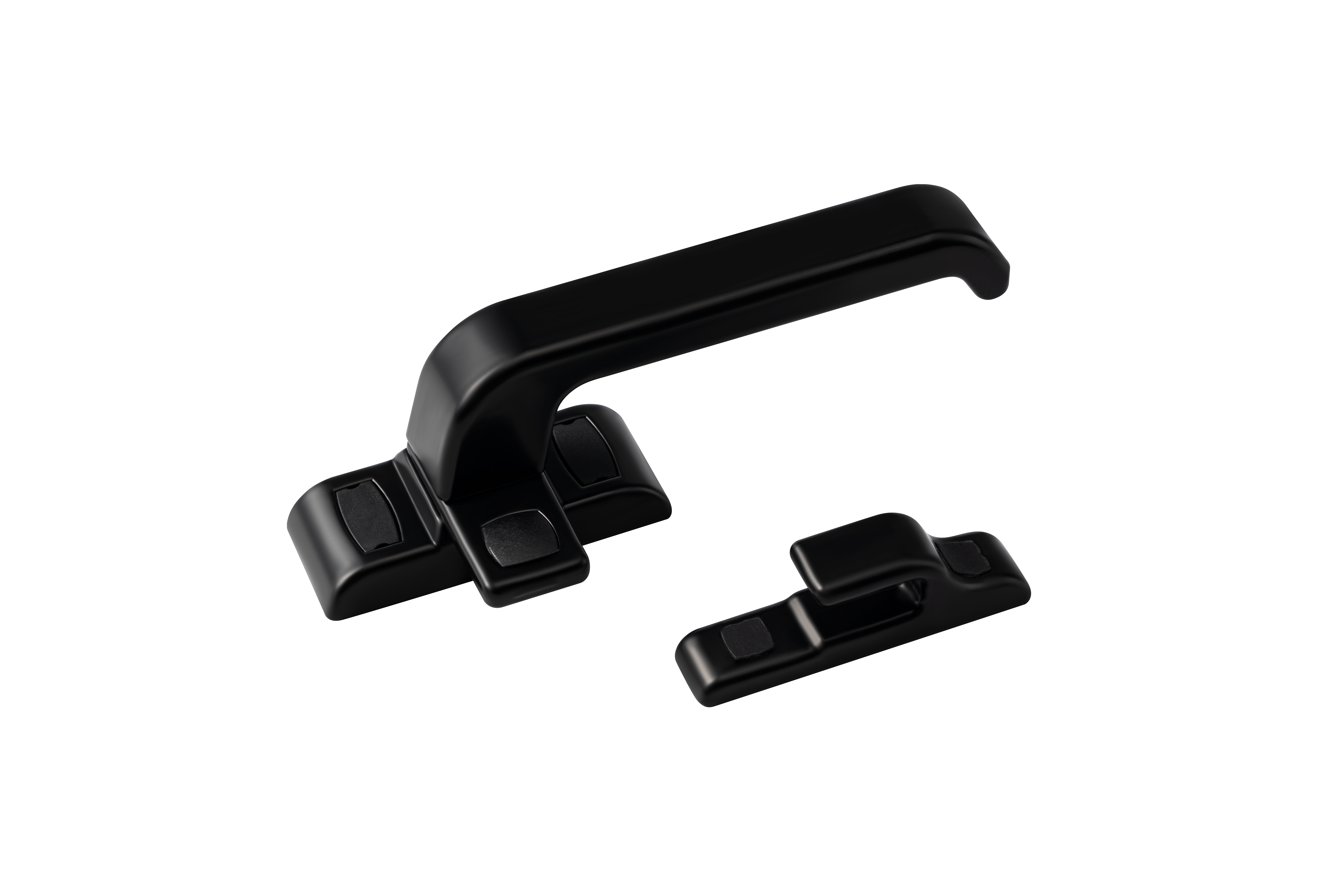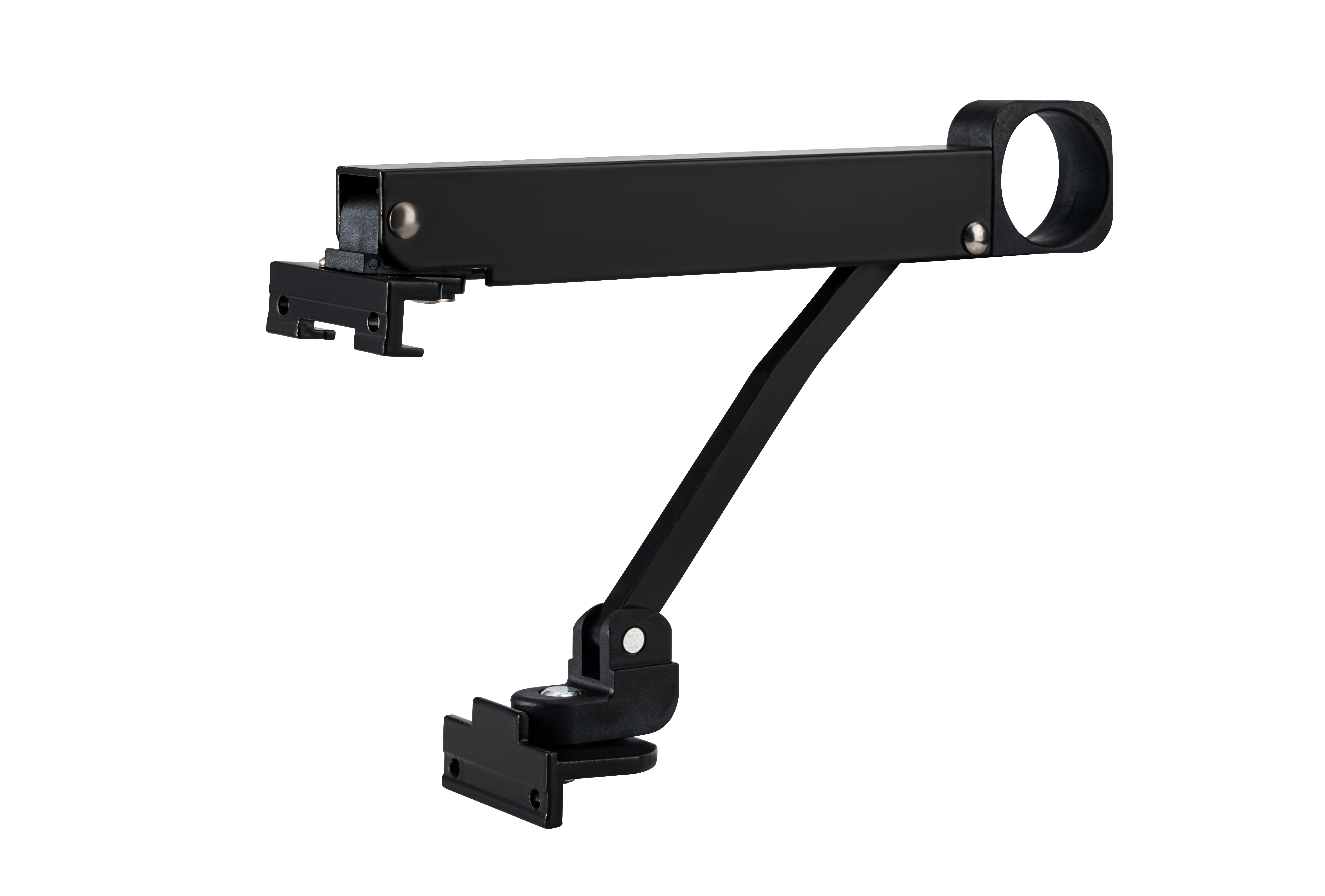

In the tactile world of architecture, few components bridge the gap between human intention and mechanical function as directly as the window or door handle. This unassuming piece of hardware is the primary point of contact, the control interface we engage with multiple times daily. Far beyond a simple lever, a well-designed handle for aluminum systems is a carefully engineered object that must satisfy ergonomic, aesthetic, functional, and durability demands in equal measure.
The anatomy of a handle reveals its complexity. At its core is the lever or grip section, the part the hand engages. Its form is not arbitrary; it follows ergonomic principles to fit comfortably in the palm, requiring neither excessive force nor awkward wrist angles to operate. The cross-section, curvature, and surface texture are all calculated to provide a secure, pleasant grip. This section is typically mounted to a backplate or rosette, which serves as the visual anchor and covers the mounting points on the aluminum profile. The critical mechanical link is the spindle, a square or specially shaped metal bar that passes through the door or window, connecting the interior and exterior handles and engaging directly with the internal locking mechanism. The precision of this connection is paramount—any play or misalignment translates to a vague, unsatisfactory operation.
Material and finish are where technical specification meets design intent. For aluminum fenestration, handles are predominantly crafted from aluminum alloys or stainless steel, chosen for their corrosion resistance and structural integrity. The manufacturing process is key. High-quality handles are often die-cast or forged from solid metal, then meticulously machined to precise tolerances. This results in a robust, vibration-free feel absent in cheaper, hollow-cast alternatives. Finishes range from anodized colors—which integrate the color into the aluminum's surface oxide layer for exceptional durability—to sophisticated powder-coated or PVD (Physical Vapor Deposition) coatings that can mimic brushed nickel, polished brass, or matte black with high resistance to wear and UV fading.
Function dictates specific typologies. For windows, espagnolette handles are standard. A simple turn rotates a central spindle that drives a series of cams or rods within the frame, engaging multiple locking points around the sash perimeter. This action simultaneously locks the window and compresses it against the seals. Their design tends to be compact. Door handles, bearing greater security and frequency-of-use requirements, are more substantial. Lever handles on doors often incorporate a key cylinder and are designed to withstand repeated mechanical stress. For sliding systems, flush pulls or finger pulls are common, offering a recessed or low-profile grip that doesn't obstruct passage.
Ultimately, the choice of a handle is a balance of silent performance and stated style. It must operate with consistent, reassuring smoothness for years, transmitting a clear mechanical feedback—a definitive clunk of engagement—that signals security. Simultaneously, it is a prominent decorative detail, a piece of metallic jewelry for the building's facade or interior. A successful handle doesn't just work well; it feels right in the hand and looks integral to the design, completing the architectural statement of the aluminum opening it serves.